
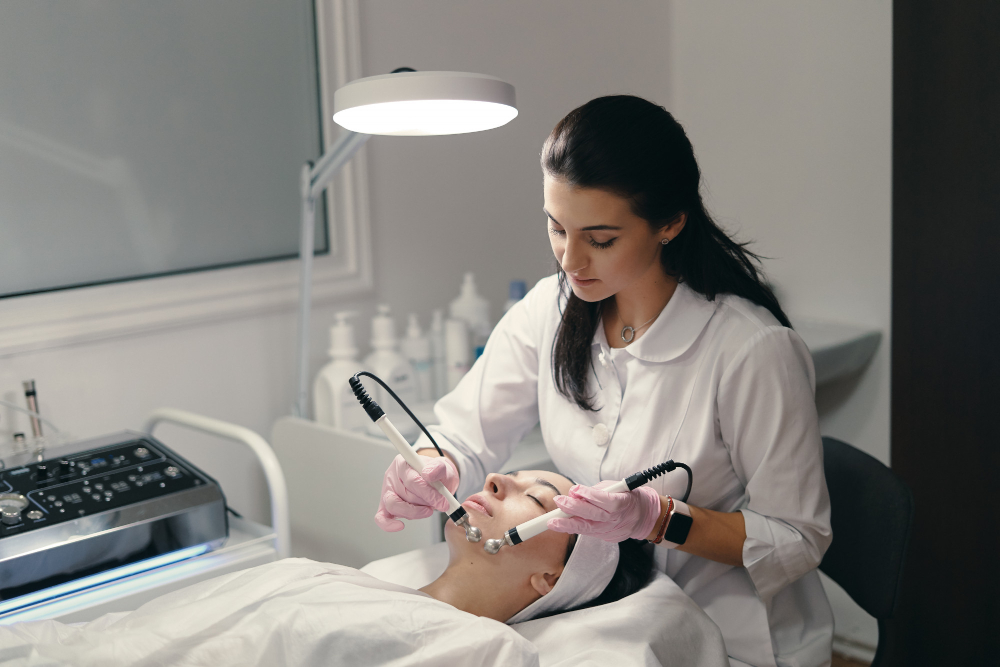
Introduction to Laser Treatments for Skin
Many people ask, “Are laser treatments safe for all skin types?” This is an important question, especially for those with darker or sensitive skin. Laser treatments are popular in the United States and around the world. They help with many skin concerns, such as scars, wrinkles, and unwanted hair. However, safety depends on your skin type and the type of laser used. Understanding these factors can help you make the best choice for your skin.
How Laser Treatments Work
Laser treatments use focused light to target specific areas of the skin. For example, some lasers remove hair, while others treat scars or dark spots. The laser’s energy heats the skin, which can help remove damaged cells. As a result, your skin may look smoother or clearer after treatment. However, not all lasers work the same way. Some are better for certain skin types than others.
Types of Laser Treatments Commonly Used in Dermatology
Dermatologists use several types of lasers for skin care. Each type works differently and has its own benefits. For instance, some lasers are gentle, while others are stronger. Common types include:
Because each laser works differently, your dermatologist will choose the best one for your needs.
Skin Types: Classification and Characteristics
Skin types are often grouped by how much pigment they have. Doctors use the Fitzpatrick scale, which has six types. For example, Type I is very fair skin that burns easily. Type VI is very dark skin that rarely burns. In between, there are many shades and reactions to sun. Knowing your skin type helps your doctor choose safe laser procedures for all skin types.
Because skin type affects how your skin reacts to lasers, it is important to know your type before treatment.
Safety of Laser Treatments for Different Skin Types
Laser treatment safety for dark skin and light skin can differ. For lighter skin, most lasers are safe and effective. However, for darker skin, some lasers may cause more side effects. For example, dark skin can be more sensitive to heat. This may lead to dark spots or light spots after treatment. Still, many new lasers are designed to be safe for all skin types. Dermatologist advice on laser treatments is key for the best results.
Because each person is unique, a doctor’s guidance is important for safe laser procedures for all skin types.
Potential Risks and Side Effects by Skin Type
Although laser treatments are safe when done by experts, some risks remain. These risks can change based on your skin type. For example, people with darker skin may face more side effects. Common risks include:
However, choosing the right laser and following your doctor’s advice can lower these risks.
How to Prepare for a Laser Treatment
Proper preparation helps make laser treatments safer. For instance, your dermatologist may ask you to avoid sun exposure before your session. You may also need to stop certain skin creams or medicines. Here are some common steps to follow:
Because preparation can vary, always follow your dermatologist’s instructions closely.
Tips for Minimizing Risks and Enhancing Safety
There are several ways to make laser treatments safer for all skin types. For example, choosing an experienced dermatologist is very important. In addition, you can:
Because safety is a top priority, these steps help reduce laser therapy risks by skin type and improve your results.
Conclusion
For safe and effective laser treatments, consult Dr. Chinmai Yerram at our clinic. Our team will help you choose the best option for your unique skin type. Book your appointment today for expert care.