
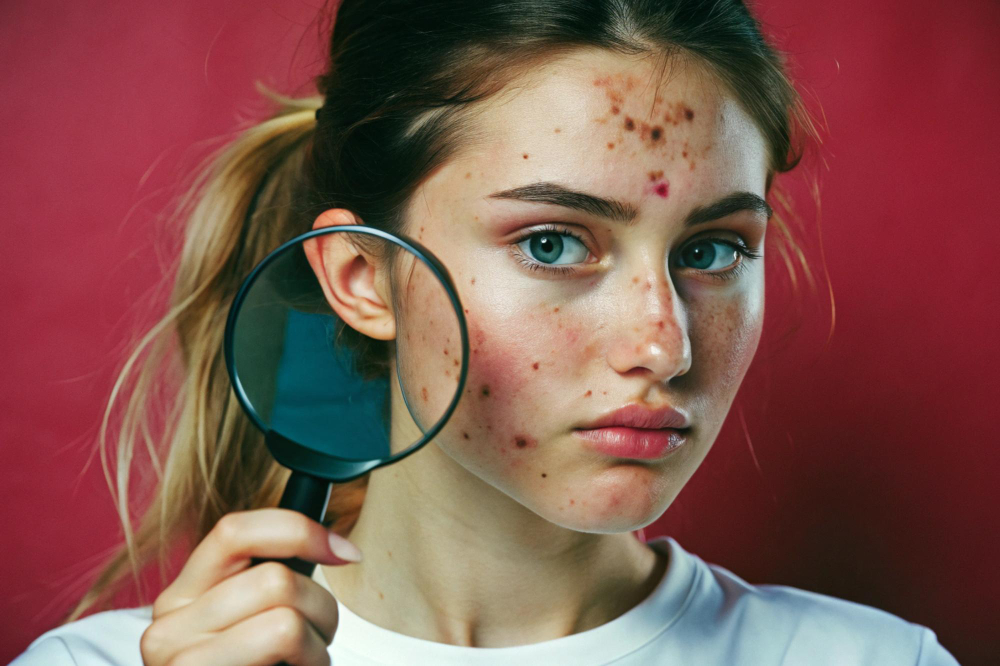
Many people wonder, “Why do acne scars happen?” Acne scars can affect how skin looks and feels. For some, these scars last long after the acne is gone. Understanding acne scar formation can help you take steps to prevent and treat them. Let’s explore why these scars form and what you can do about them.
What Are Acne Scars?
Acne scars are marks left behind after pimples heal. Sometimes, the skin does not return to its smooth state. Instead, scars may form where the acne was. For many, these scars can be a source of worry. However, not all acne leads to scarring.
How Acne Scars Form
When acne damages the skin, the body tries to repair it. Sometimes, this healing process does not go as planned. As a result, scars can form. For example, if the skin makes too much or too little collagen, a scar may appear. Collagen is a protein that helps skin stay firm and smooth.
According to the American Academy of Dermatology, early treatment of acne lowers the chance of scars.
Types of Acne Scars
Not all scars look the same. In fact, there are several types of acne scars. Knowing the types can help you understand your skin better. Here are the main types of acne scars:
Each type of scar may need a different treatment approach.
Risk Factors for Scar Formation
Some people are more likely to get acne scars than others. However, certain factors can increase your risk. For instance, severe or long-lasting acne raises the chance of scarring. Here are some common risk factors:
Because genetics play a role, some people may scar more easily than others.
How to Recognize Acne Scars
It is important to know the difference between scars and other marks. While acne scars are permanent, other spots may fade over time. For example, red or brown spots are usually not true scars. Instead, they are called post-inflammatory hyperpigmentation.
If you are unsure, a dermatologist can help you identify acne scars.
Prevention Tips for Acne Scarring
Although not all scars can be prevented, you can lower your risk. Early and gentle care is key. Here are some tips for preventing acne scars:
Because prevention is easier than treatment, start caring for your skin as soon as acne appears.
Evidence-Based Treatments for Acne Scars
Several treatments can help improve the look of acne scars. However, the best option depends on the type of scar and your skin. According to dermatology experts, these treatments are supported by research:
Because each person’s skin is different, it is important to talk to a dermatologist before starting treatment. Consult Dr. Chinmai Yerram for professional advice for acne scar care.